
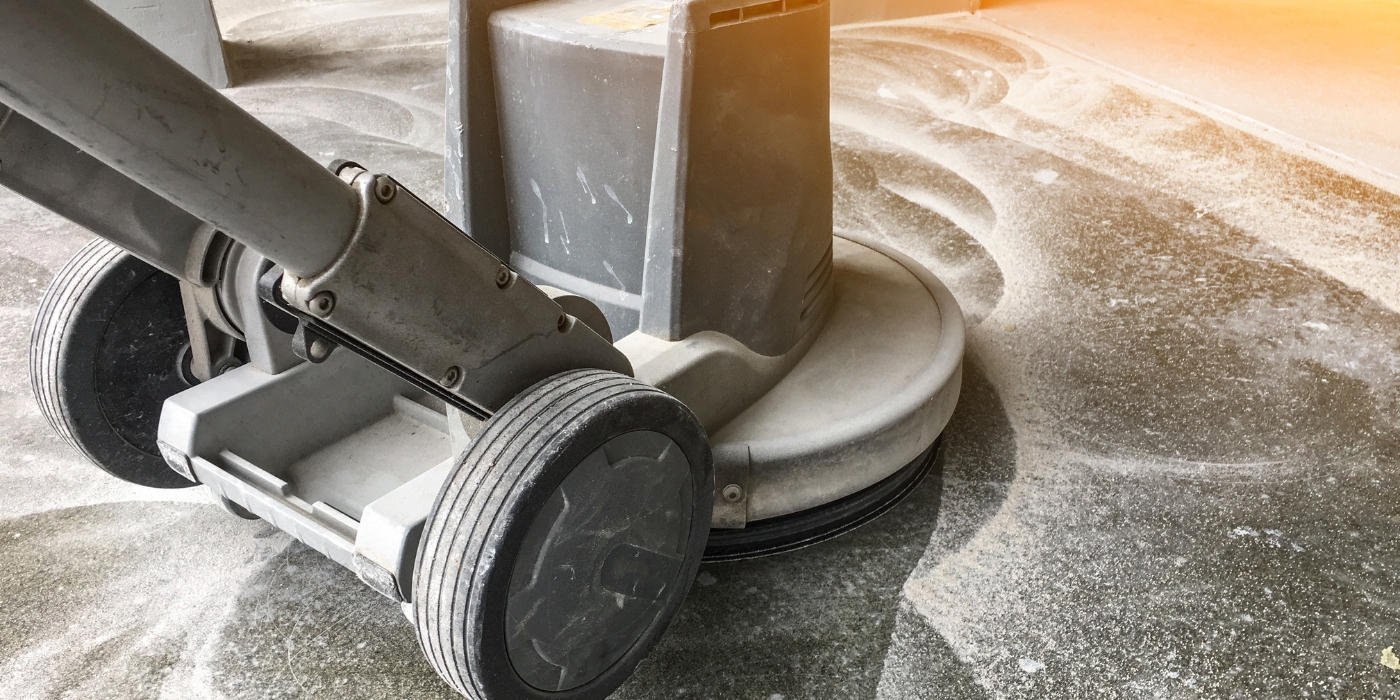
Concrete polishing in Los Angeles finishes the slab a building already stands on rather than covering it with something new. That is precisely what makes polishing attractive to an LA owner: no carpet or tile to manufacture and later landfill, no coating off-gassing into the space, and a bright, hard surface that will outlast the building’s next tenants. The floor gets prettier to look at, cheaper to run, and longer-lasting all at once.
Allied Coatings has ground, densified, and polished concrete across Southern California for more than 25 years, from warehouse conversions in downtown Los Angeles to retail floors, showrooms, and private homes. Every polish starts with a read of the existing slab, since the concrete already in the building sets the ceiling on how bright, how durable, and how green the finished floor can be.
Finishing The Floor You Already Own
A polished floor is the same concrete with a new finish, so the project skips manufacturing, shipping, and eventually tearing out a separate flooring material. Carpet, vinyl, and tile each run on a ten to fifteen year replacement cycle, while a polished slab becomes the finished surface and stays put. On a green build, reusing the existing structure counts toward materials and building-reuse goals instead of adding to the waste stream.
The finish keeps the indoor air clean once the doors open. A mechanically polished floor is hardened with water-based densifiers and a low-VOC or no sealer, so it does not off-gas the way a solvent coating or a glued-down floor can. A school, clinic, or restaurant gets a floor with fewer air contaminants and none of the dust and allergens a carpet traps.
Reuse and low emissions together are why polished concrete shows up so often on LEED projects. It supports credits across materials reuse, indoor environmental quality, and energy performance. The exact environmental benefits of a project depend on the slab, the products specified, and the documentation. We work from the finish and densifier specs a design team is targeting instead of promising points sight unseen.
A Brighter Building That Costs Less to Run
A polished surface reflects light instead of absorbing it, allowing you to reach the same brightness on fewer fixtures or lower wattage. Across a large LA floor plate, that reflection shaves a few numbers off the lighting bill every month it operates. The exposed slab also works as thermal mass, holding and releasing heat slowly enough to take some load off heating and cooling when the building is designed around it.
Ownership stays cheap after the lights, too. A polished floor takes routine dust mopping and a pH-neutral cleaner, with no wax to strip, no coating to recoat, and no buffing crew on a standing schedule. Over twenty years, the budget for the stripping, waxing, and flooring replacement that you never paid for will still be in your pockets.
Because the finish is the hardened slab, it wears at the pace of the concrete, and a tired high-traffic floor comes back with a re-polish rather than a tear-out. Carpet and tile get replaced two or three times over a building’s life while the same polished slab keeps going, which makes the greenest floor the one nobody has to replace.
Polishing LA’s Existing Slabs, from Conversions to Homes
Los Angeles is constantly cycling older buildings put to new use, and polishing those older slab is where the skills earn their pay. A former warehouse or a retail build-out in an aging strip mall usually hides various legacy materials along with the past tenant’s coating, all of which have to come off before the diamonds can build a shine. Reading a decades-old slab, and prepping accordingly, is what separates a floor that glows from one that blotches.
Commercial concrete polishing suits retail floors, restaurants, showrooms, offices, and distribution space, while residential polishing turns a garage or an open-plan interior into a low-maintenance finished floor. When a design wants more than gray, color goes in with dyes or concrete stains worked in before the final polishing passes lock it down.
Why Los Angeles Calls Allied Coatings
Allied Coatings has polished, resurfaced, and coated concrete across the Los Angeles Metro Area for more than 25 years. We grind, densify, and finish with systems from manufacturers like Ardex and Sika, and we test each slab for moisture and hardness before committing to a gloss level or a green spec. From a single garage to an institutional floor running tens of thousands of square feet, every job starts with determining what the existing concrete can deliver.
A polished floor starts with the slab you already have. Whether it is a downtown conversion, a storefront, or a warehouse that could light itself on half its fixtures, Allied Coatings can assess the concrete and put together a free estimate for the finish and gloss you want. Contact us today to get started.
Frequently Asked Questions
Is polished concrete more sustainable than other flooring?
Polished concrete is one of the most sustainable flooring choices because it finishes the existing slab instead of adding a new material on top of it. That cuts the manufacturing, shipping, and eventual landfill waste that carpet, vinyl, and tile carry, and it uses low-VOC densifiers that keep the indoor air cleaner. Its long service life means far fewer replacements over the life of the building.
Can polished concrete help a project earn LEED credits?
Polished concrete can contribute to LEED credits across materials reuse, indoor environmental quality, and energy performance, though no single product earns certification on its own. The points a project captures depend on the slab, the densifier and sealer chosen, and the documentation submitted. We supply the finish and product data a design team needs to pursue the credits they are targeting.
How much maintenance does a polished floor need?
A polished floor needs routine dust mopping and an occasional damp mop with a pH-neutral cleaner, with no waxing, stripping, or recoating. That is a large part of why commercial owners choose it, since it removes the recurring labor and materials a waxed or coated floor demands. A periodic re-polish restores the gloss on a high-traffic floor without replacing anything.
Can an old or previously coated slab be polished?
An old or previously coated slab can usually be polished once the existing coating, adhesive, or mastic is ground off and the surface is assessed. This is common in Los Angeles warehouse and retail conversions, where the original slab becomes the finished floor. A slab that is heavily spalled, cracked, or fighting a moisture problem may need repair or an overlay first, which we check during the site visit.
Is a high-gloss polished floor slippery?
A polished floor is not as slippery as it looks. A dry polished surface actually has a coefficient of friction comparable to other hard flooring. Where a space gets wet, such as an entry, kitchen, or wash area, a slip-resistant treatment or a lower-sheen finish keeps traction where it is needed. The gloss level and any traction additive are chosen up front based on how the floor will be used.