
Concrete Repair in San Diego: Cracks, Spalling, and Uneven Surfaces
Concrete repair in San Diego usually comes down to something you cannot see. The crack on the surface is the symptom; whatever shifted under the slab is the cause. A driveway splits, a patio corner rises, a walkway grows a lip you keep catching a toe on, and the easy move is to fill it and move on. Do that without touching the cause and the same line is back by the next wet winter.
The repairs are not complicated. Getting them to last comes down to matching the method to the crack and dealing with whatever is moving the slab. Allied Coatings has repaired and resurfaced concrete across San Diego County for more than 25 years, from hairline driveway cracks to spalled commercial floors. For most homeowners, the crack they are worried about turns out to be fixable without ripping the slab out.
Why Concrete Cracks in San Diego
The biggest reason is underfoot. Much of San Diego County sits on expansive clay soil, the kind that swells when it takes on winter rain or irrigation and shrinks back hard once things dry out. That movement pushes unevenly on a slab, and since concrete does not flex, it cracks instead. Inland areas and the marine clay pockets under neighborhoods like Clairemont and parts of Chula Vista get more of it than the sandier ground near the coast.
It adds up to real money. The American Society of Civil Engineers estimates that expansive soils damage about one in four U.S. homes and, in a typical year, cost owners more than floods, hurricanes, tornadoes, and earthquakes combined. Most of it arrives quietly, as cracked slabs and slow settling rather than anything sudden.
San Diego adds its own stresses on top. The occasional earthquake nudges the ground enough to start hairline cracks. Near the coast, salt in the air gets into the concrete and rusts the rebar, which swells and breaks the surface off in flakes, the damage called spalling. Inland, the daily swing from hot afternoons to cool nights expands and contracts the slab until shrinkage cracks show. One thing you will not find on that list is freeze-thaw. The cause behind so much cracked concrete in colder states barely matters here.
Telling a Cosmetic Crack From a Structural One
Most cracks are harmless and a few are not, so it pays to know which is which before you spend anything. Contractors mostly go by width. A crack you can barely slip a credit card into, under about 1/8 inch, is usually cosmetic, just the concrete shrinking as it cured. Worth sealing to keep water out, but not a structural concern on its own.
What changes things is movement. A crack wider than 1/8 inch, one that keeps growing, or one with a lip where one side sits higher than the other means the slab is shifting, not just shrinking. Same goes for diagonal cracks, stair-step patterns, and any walkway or patio that has settled enough to trip on. Those are worth a professional look before you pay for a surface fix that will not hold.
Matching the Fix to the Crack
The right repair depends on the crack. For a structural crack that has stopped moving, the standard fix is epoxy injection. A low-viscosity resin gets pumped in under pressure so it fills the crack to its full depth instead of just bridging the top. Once it cures, the bond is stronger than the concrete on either side, so the crack does not reopen along the same seam. It suits cracks from hairline up to about a quarter inch.
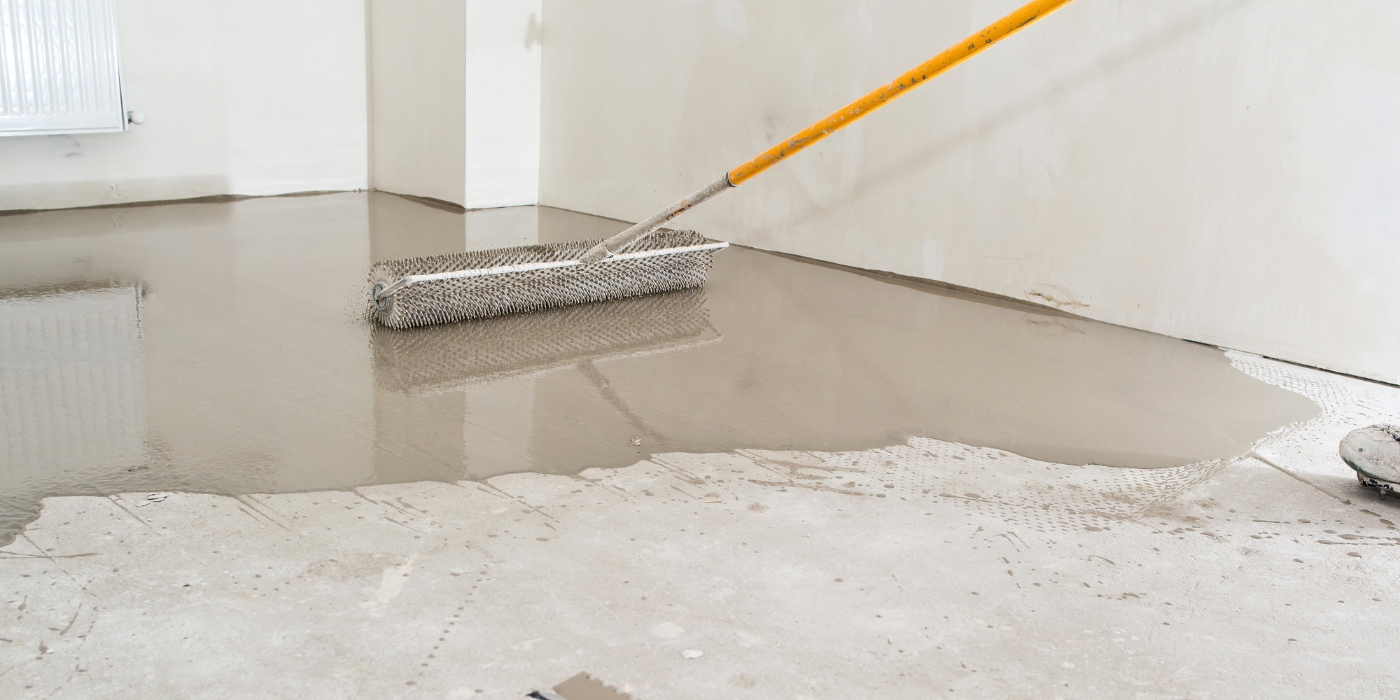
Cosmetic cracks get cleaned out and filled with a flexible sealant that gives a little as the slab moves through the day. Surface damage is its own job. Spalling, pitting, and worn-out finishes call for resurfacing, where a fresh overlay is bonded over the old slab, often with the option to change the color or texture at the same time. Settled or uneven sections can be ground down or leveled so the trip hazard goes away.
None of it matters if the slab underneath is still moving. Resurface or coat a slab that has not stopped shifting and all you have bought is a tidier surface over the same crack waiting to return.
Why the Crack Comes Back If You Skip the Cause
Here is where most repeat repairs come from. Epoxy injection is permanent, but only on a crack that has stopped moving. If soil is still shoving the slab around as it swells and shrinks, sealing one crack just moves the stress a few inches over, and a new crack opens there.
In San Diego, the trail almost always leads back to water. A downspout draining beside the driveway, a sprinkler line soaking one edge of the patio, a yard sloped so runoff collects against the slab: each one keeps the clay below it swelling and shrinking on a loop. Move the water away, let the soil hold a steady moisture level, and the crack repair has a chance to last. A good contractor looks at the gutters and the irrigation before blaming the concrete.
What It Costs and How Long It Takes
Repair almost always wins on price. Tearing out a slab means demolition, hauling, and pouring new concrete, which costs several times what it takes to inject cracks, patch spalls, or resurface what is already down. Full replacement is only the right call when the concrete is broken past saving or the ground beneath it has given out, and a contractor should tell you which case you are in before any work starts.
Most residential work goes fast. Crack repair, patching, or resurfacing usually wraps in one to three days, and an epoxy-injected crack is typically cured inside a day or two. Commercial jobs like warehouse floors and loading docks take longer, but they can be staged in sections so the business keeps running.
If your driveway, patio, walkway, or floor is cracking, flaking, or starting to lift, it is cheaper to deal with now than after it spreads. Allied Coatings handles concrete repair and resurfacing across San Diego County, and they will tell you straight whether a crack needs injection, a surface needs resurfacing, or the slab is too far gone for either. Call (800) 630-2375 or ask for a free estimate, and you can browse finished projects in their gallery. They also work across Orange County, Los Angeles County, and the rest of Southern California out of their shop at 795 North Ave. #D, Vista, CA 92083.
Frequently Asked Questions
How do I know if a concrete crack needs professional repair?
A crack wider than about 1/8 inch, one that keeps growing, or one with a lip across it is worth a professional’s eyes. Those usually mean the slab is moving, not just shrinking the way fresh concrete does. Thin, stable hairline cracks are mostly cosmetic, but sealing them still keeps water out.
Is it cheaper to repair concrete or replace it?
Repair is almost always cheaper than replacement, often by several times, because it skips demolition, hauling, and new material. Replacing the slab only makes sense when the concrete is broken past saving or the ground under it has failed. A good contractor will tell you which of the two you are dealing with.
How long does a concrete repair last?
A solid repair generally lasts 15 to 25 years or more, and an epoxy-injected crack can outlast the concrete around it. The catch is that it only holds if the thing that caused the crack, usually soil movement from poor drainage, gets fixed too. Skip that and a new crack tends to show up nearby.
Why does the same crack keep coming back?
A crack reopens when the slab under it is still moving, and in San Diego that is almost always about water in the soil. A leaking sprinkler, a downspout draining next to the slab, or poor grading keeps the clay swelling and shrinking. Until the drainage is sorted out, even a flawless crack repair will not stay put.
Can a repair be made to blend in with the rest of the concrete?
Usually, yes. A repaired area can be matched or hidden well enough that it does not jump out. Resurfacing the whole surface gives the most uniform result, and color, texture, or staining can take a tired slab back to a finish that looks new. Matching one small patch on weathered concrete is harder, so resurfacing the full section often looks better anyway.