
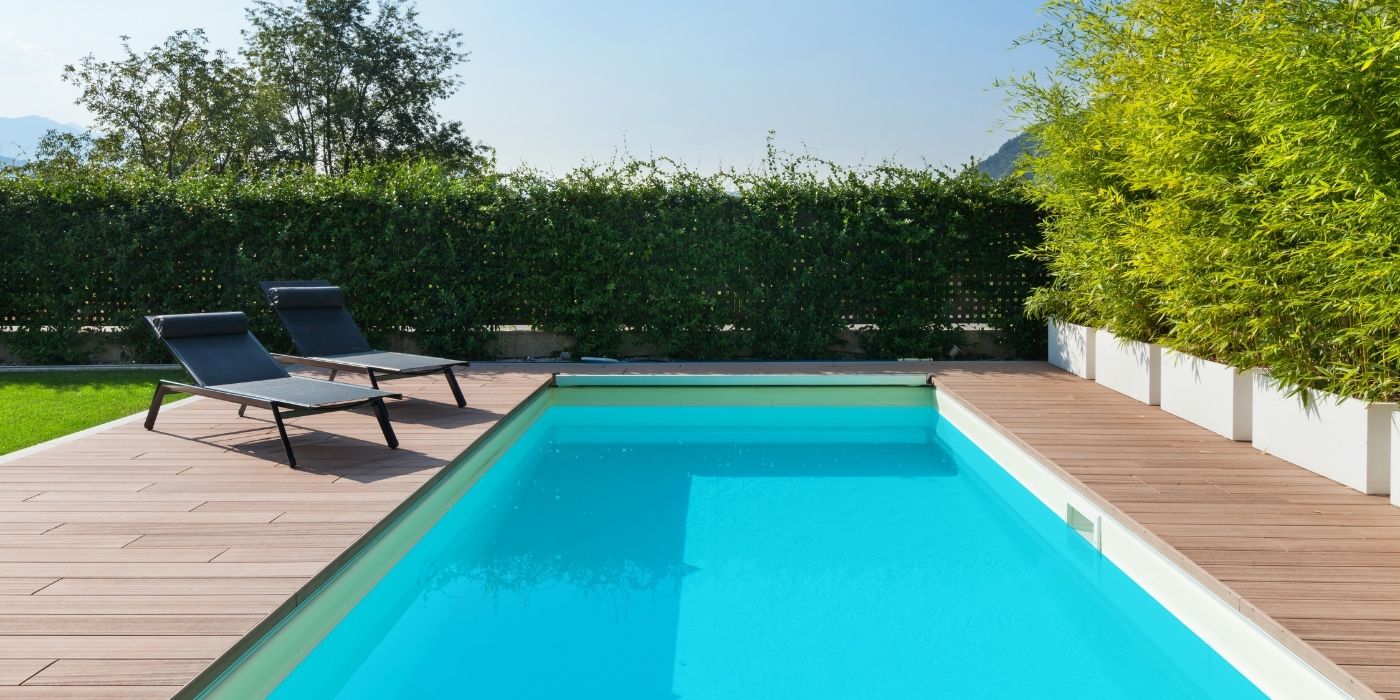
Choosing the right pool deck contractor can make the difference between a beautiful, long-lasting outdoor space and a costly renovation headache. San Diego homeowners face unique challenges with our coastal climate, year-round sun exposure, and the need for surfaces that can withstand both pool chemicals and saltwater conditions. Your pool deck is more than just a functional surface—it’s an investment in your home’s value, safety, and aesthetic appeal.
The pool deck contractor you choose will shape the durability, appearance, and long-term maintenance of your outdoor space. With many contractors serving San Diego, it’s essential to know what sets true professionals apart. Experienced companies like Allied Coatings, serving Southern California for over 25 years, offer proven quality and reliability.
Understanding Pool Deck Materials and Options
San Diego’s climate requires pool deck materials that withstand strong UV rays, temperature changes, and moisture without degrading. A qualified contractor should understand options like concrete resurfacing, waterproof coatings, stamped concrete, pavers, and decorative finishes. Each offers unique benefits in heat reflection, slip resistance, maintenance, and appearance.
A skilled contractor will evaluate your pool size, landscape, budget, and design goals to recommend the right materials. They should clearly explain the benefits and drawbacks of options like cool-deck coatings or textured, slip-resistant finishes. Knowing these choices beforehand helps you ask better questions and spot true expertise.
Common Pool Deck Failures San Diego Contractors Must Prevent
San Diego’s coastal and inland microclimates can cause premature pool deck failure if contractors don’t install materials correctly. Knowing these challenges helps you judge a contractor’s technical expertise. Experienced professionals address them through proper materials, preparation, and waterproofing.
The most frequent failure modes include efflorescence in coastal areas, UV-induced coating degradation, delamination from inadequate surface preparation, water intrusion due to improper flashing details, and cracking from thermal expansion stresses. A qualified contractor should explain how they prevent each of these issues through tested best practices rather than simply hoping problems won’t occur.
Preventing Efflorescence and Salt Contamination
Coastal San Diego properties face persistent challenges with efflorescence—white, powdery salt deposits. Salt from ocean aerosol, combined with moisture from dew and pool splash, creates ideal conditions for crystallization. Skilled contractors identify moisture and chloride sources through testing, remove existing salts, and apply moisture-tolerant primers suited for coastal environments.
Preventing efflorescence involves controlling water intrusion with proper flashing, using low-alkali or salt-resistant materials, and choosing vapor-permeable finishes. Contractors who skip salt testing risk recurring white stains that damage coatings. Always ask how they test for and address salt contamination before applying finishes.
Addressing UV Degradation in Sun-Exposed Areas
San Diego’s year-round intense sunlight accelerates UV degradation of polymeric coatings and pigments, leading to color fading, surface chalking, and loss of flexibility. Professional contractors select UV-stable formulations with light stabilizers and UV absorbers specifically rated for exterior pool environments, or recommend mineral-based cementitious overlays in extremely sun-exposed locations where long-term color retention is critical.
Quality contractors provide weathering data, follow precise application and curing protocols, and ensure full UV resistance. Using generic coatings without stabilizers leads to faded, chalky surfaces and premature refinishing.
Ensuring Proper Surface Preparation and Adhesion
Most coating failures result from inadequate concrete surface preparation, often skipped by inexperienced contractors. Proper prep includes mechanical profiling to meet CSP, removing latitude and contaminants, and measuring moisture-vapor rates. Professionals provide test results to homeowners as proof of correct preparation.
Coatings over damp, contaminated, or poorly profiled concrete will delaminate. Reputable contractors test moisture, verify conditions, use proper primers, and provide CSP and pre-installation documentation.
Implementing Proper Waterproofing and Flashing Details
Water intrusion at joints and transitions can deteriorate the substrate and undermine coatings. Proper flashing and waterproofing details are essential to prevent moisture migration into the deck structure, which can lead to efflorescence, delamination, and corrosion of embedded reinforcement. Experienced contractors install corrosion-resistant flashing and tested waterproofing membranes with correctly detailed terminations and overlaps.
Proper drainage and coordination with other trades prevent water pooling and ensure sealed interfaces, avoiding moisture damage. Always ask contractors to explain their flashing and drainage plan during estimates.
Managing Thermal Movement and Crack Prevention
Concrete’s thermal expansion and contraction during San Diego’s temperature swings can cause cracking if joint spacing is inadequate or connections are too rigid. Pool decks face extra stress from sun and water exposure. Professionals install properly spaced control and expansion joints, use flexible sealants, and detail interfaces to accommodate movement.
For overlays, contractors should use isolation membranes or crack suppression systems over substrates with movement. Proper detailing and avoiding rigid attachments let concrete expand and contract without stress cracks. Ignoring joints or using rigid materials leads to cracked surfaces reflecting underlying movement.
Reviewing Past Work and References
A contractor’s portfolio shows craftsmanship, detail, and capabilities beyond marketing materials. Review photos for finish quality, edge work, color consistency, and integration with landscaping. Top contractors organize galleries by material, finish, and project type to help you visualize results.
Talking with past clients gives insight into a contractor’s professionalism, communication, and problem-solving. Request 3–5 references and ask about timelines, site cleanliness, issue handling, and final results. Visit completed projects when possible to check durability, color retention, and crack-free surfaces.
Understanding the Estimate and Proposal Process
A detailed written estimate should outline costs, materials, labor, timeline, and payment terms. Professional contractors perform on-site evaluations, assess substrates, and discuss design and prep needs. Avoid quotes given without a property inspection, as accurate pricing requires site-specific assessment.
Proposals should detail materials, manufacturers, surface prep, coats, cure times, and warranties. Professionals outline payment schedules tied to milestones rather than large upfront deposits. Compare estimates on work scope, material quality, and warranties—lowest bids may indicate shortcuts or inferior materials.
Assessing Communication and Professionalism
A contractor’s communication from the first interaction shows how they’ll manage your project. Responsive professionals return calls promptly, answer questions clearly, and demonstrate reliable project management. They listen to your vision, offer expert advice, and adjust plans rather than using a one-size-fits-all approach.
Professionalism includes how contractors present themselves, maintain equipment, and run their business. Reputable contractors provide branded estimates, professional websites, portfolios, and clear contracts. Punctuality, respectful behavior, and professional presentation during site visits indicate how they’ll handle the installation.
Examining Warranties and Post-Installation Support
Comprehensive warranties separate contractors who stand by their work from those who don’t. Quality pool decks include manufacturer material warranties and contractor workmanship coverage, usually 1–5 years. Warranties should specify coverage, exclusions, maintenance requirements, and the claims process.
Post-installation support shows a contractor’s commitment beyond project completion. Reputable contractors provide maintenance guidelines, safe cleaning recommendations, and remain available for questions or issues. Ask about warranty claims, response times, and ongoing maintenance or inspections—confident contractors stay accessible long after installation.
Confirming Timeline and Project Management Approach
Clear timelines help prevent frustration and allow planning around pool deck installation disruptions. Experienced contractors provide realistic schedules accounting for prep, cure times, weather, and finishing. They explain potential delays and communicate changes transparently to avoid missed deadlines.
Effective project management involves organized job sites, debris removal, protecting surrounding areas, and coordinating with other trades. Ask about crew size, subcontracting, work hours, and safety measures. Professional contractors keep sites clean, secure materials overnight, minimize disruption, and ensure efficient project progress.
Comparing Value Beyond Just Price
Choosing a pool deck contractor based only on the lowest bid often leads to costly repairs. True value includes material quality, installation expertise, warranties, and peace of mind. Investing slightly more upfront with a reputable contractor usually saves money over time by avoiding repeated repairs.
Consider total cost of ownership, including lifespan, maintenance, and warranties, not just price. Certified contractors may charge more upfront but deliver superior durability, UV resistance, and aesthetics. Ask about pricing, materials, and approach to ensure transparent, high-quality service.
Ready to Transform Your San Diego Pool Deck?
Selecting the right pool deck contractor ensures your investment delivers lasting beauty, safety, and value. Allied Coatings has served Southern California for over 25 years, providing expert craftsmanship homeowners can trust.
Certified in Tremco, Ardex, Plidek, Polyguard, and Merko systems, we handle waterproof decking, concrete resurfacing, epoxy flooring, and decorative finishes. From La Jolla to Chula Vista, our professional, detail-focused service guarantees durable, high-quality results.
Contact Allied Coatings Today
Call us at (800) 630-2375 for a free, no-obligation estimate. Our experienced team will evaluate your pool deck, discuss your design preferences, explain the best coating systems for your specific conditions, and provide a detailed proposal that outlines every aspect of your project. You can also reach us by email at sa***@************gs.com or visit our website at www.alliedcoatings.com to view our portfolio and learn more about our services.
Our Vista showroom is located at 795 North Ave. #D, Vista, CA 92083, where you can see samples of our coating systems and finishes. With Allied Coatings, you get transparent pricing, superior materials, certified installation expertise, and warranties that protect your investment for years to come.
FAQs
How long does pool deck installation take in San Diego?
Most resurfacing or coating projects take 2–5 days, depending on area size, surface prep, coating type, and cure times. Weather, humidity, and temperature may slightly extend the timeline.
What’s the difference between concrete resurfacing and waterproof deck coatings?
Concrete resurfacing repairs and refreshes damaged surfaces with a new layer of modified concrete, while waterproof coatings protect against moisture, chemicals, and provide decorative finishes. Many projects use both.
How much does pool deck resurfacing cost in San Diego?
Costs range from $3–$12 per sq. ft., depending on coating, prep, decorative options, and complexity. Custom colors, textures, or stamping increase costs; basic overlays are cheaper.
Do I need permits for pool deck resurfacing in San Diego?
Most resurfacing projects don’t require permits unless structural repairs, drainage changes, or deck expansion are involved. Your contractor can advise.
What maintenance does a newly resurfaced pool deck require?
Minimal maintenance: sweep or hose regularly, clean with pH-neutral cleaners, and reseal every 3–5 years. Avoid harsh chemicals, high-pressure washing, and abrasive tools.
How soon can we use the pool deck after installation?
Light foot traffic: 24–48 hours. Full use: 72 hours. Complete curing: about 7 days. Follow contractor-specific guidelines.
What makes a contractor qualified to install waterproof deck systems?
They must hold a C-27 or C-8 license, carry insurance, have manufacturer certifications (e.g., Tremco, Plidek, Ardex), and demonstrate experience with waterproofing applications.